Ceramics are traditional arts and crafts in China. They have high artistic value and are famous all over the world. In recent years, with the in-depth promotion of the national green environmental protection policy and the changes in the consumer market, the development mode of the ceramic industry has changed from “quantity growth” to “adjusting and optimizing the stock, optimizing and strengthening the increment”. Therefore, the implementation of new technologies, new brands and new services has become the main trend of the innovative development of the ceramic industry.
It is understood that at present, the consumption market of ceramic products is huge. Daily ceramics, ceramic sanitary ware and other products need to identify the logo of the manufacturer. With the improvement of people’s requirements for ceramic quality and appearance, the pursuit of personalized logo has become the mainstream direction of the development of ceramic decoration.
The traditional process of marking ceramics includes etching, engraving, grinding or ink-jet code for secondary sintering. However, these identification methods will cause damage to ceramic products, especially etching, engraving and grinding; Although the effect of ink-jet printing is good, there are chemical toxic residues after use, which not only pollutes the environment, but also endangers the health of workers. It is a commodity gradually screened in the world.
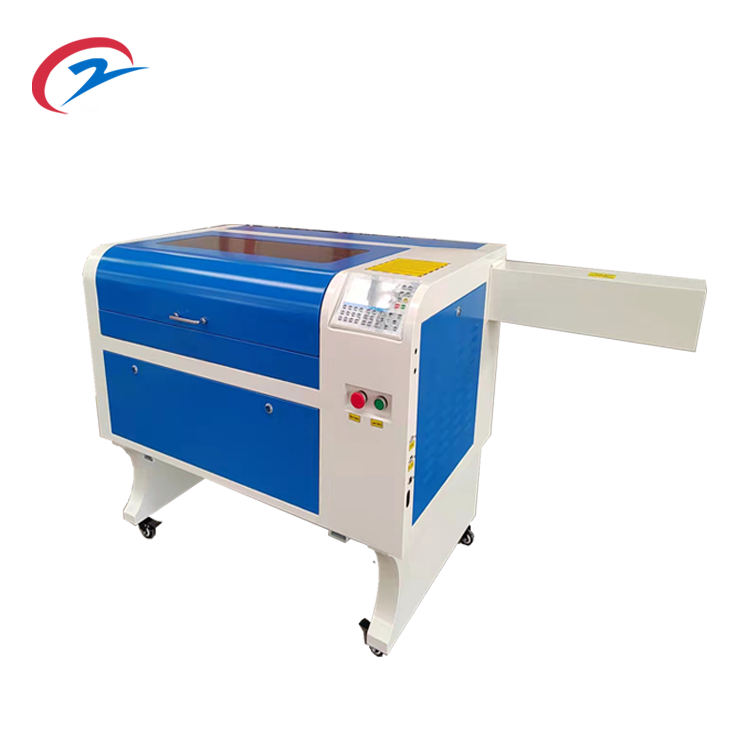
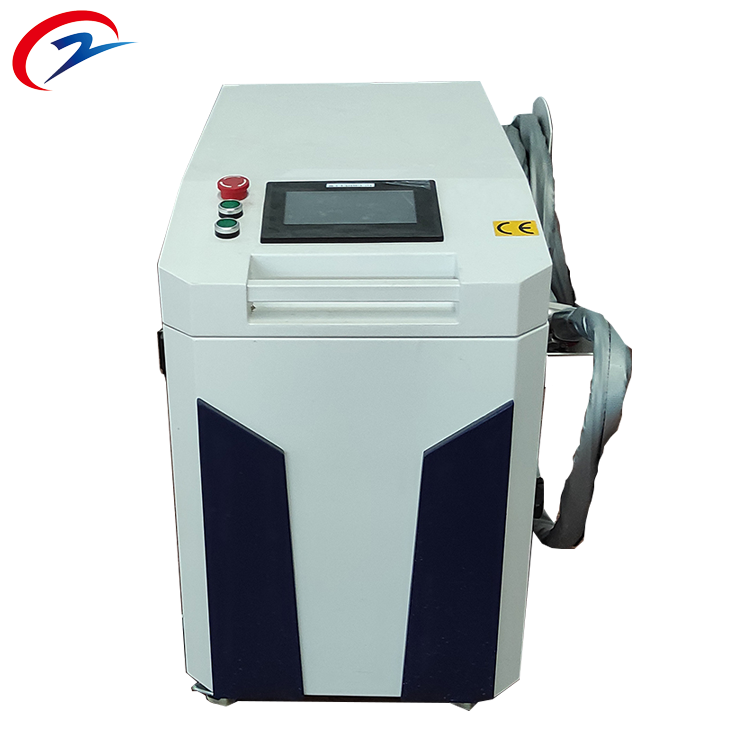
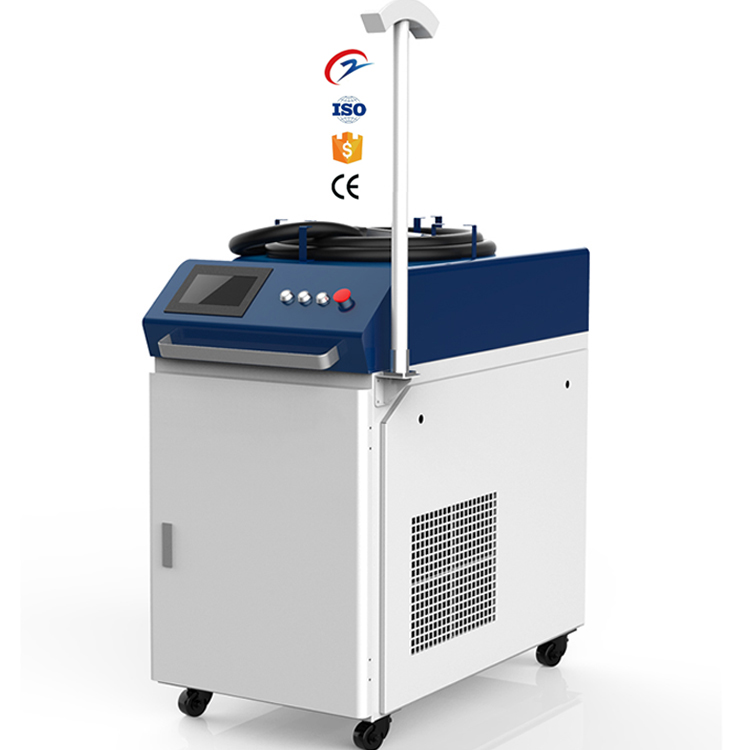
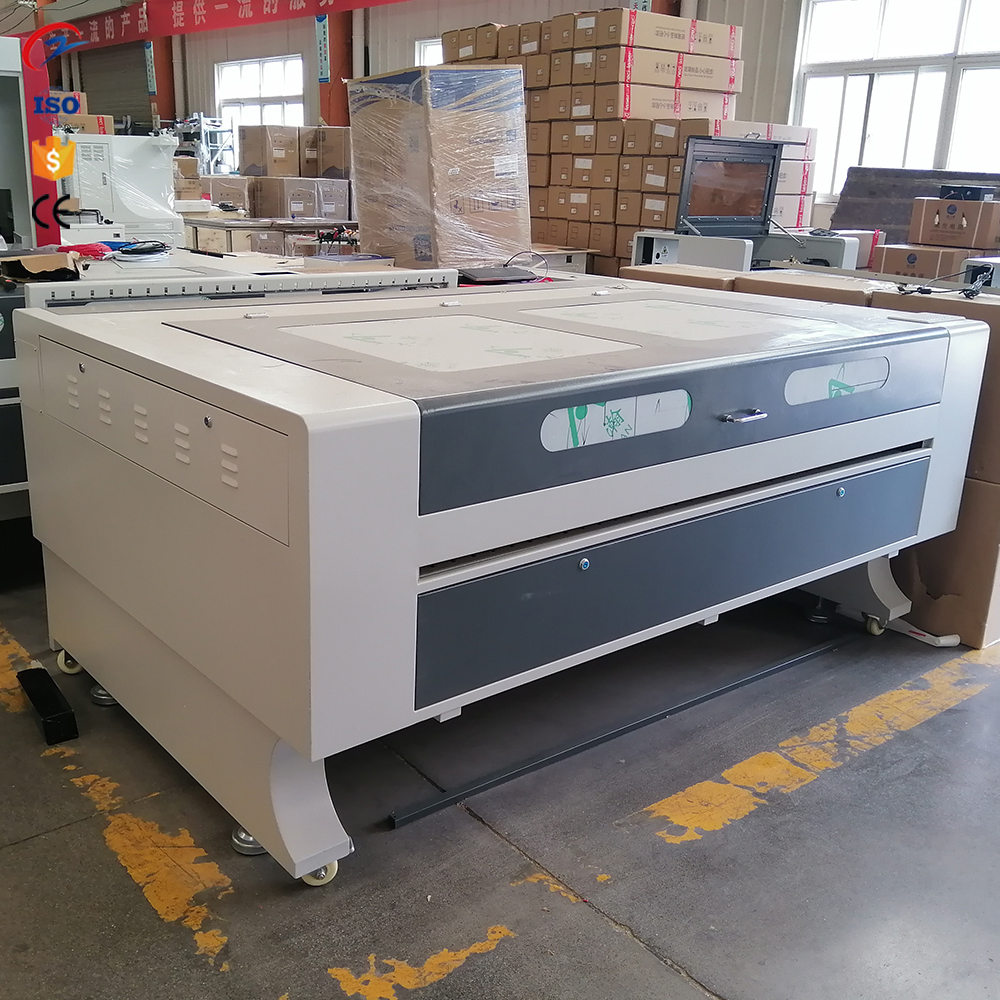
As a new green environmental protection process, laser marking technology is the process with the earliest application and development of laser technology and the highest penetration rate. It can be applied to the logo personalized identification of artistic ceramics, industrial ceramics and daily-use ceramics. Compared with the traditional identification technology, it has the advantages of high precision, good anti-counterfeiting, strong identification traceability, less environmental pollution and low operation cost. At the same time, laser marking has been widely used in optical fiber communication, laser space long-distance communication, industrial processing, military national defense security, medical equipment and instruments, large-scale infrastructure and other fields, and gradually replace the traditional industrial marking process.